본문 바로가기

ECONOMIST

오피니언

오피니언

Cutting Jobs with AI? Japan Is Doing the Opposite”… Companies Instead Expand Hiring

산업 일반

Even though artificial intelligence (AI) is being adopted, it has been found that Japanese companies are expanding hiring rather than reducing their workforce. This reflects a strategy of using AI as a tool to create new business opportunities rather than for restructuring.According to the Nikkei on the 20th, a digital transformation (DX) survey conducted on 246 listed Japanese companies showed that corporate workforce strategies are moving in a different direction from previous trends.The survey results showed that 28% of companies responded that “an increase in personnel is necessary” after introducing AI and other new technologies. In contrast, only 17% chose workforce reduction or reassignment.A considerable number of companies have not yet felt the changes. Nearly half responded that there is “no impact” or that they are “still in the early stages.”This trend contrasts with situations in the United States and other countries, where workforce reductions have been followed by the adoption of AI. This suggests that Japanese companies tend to view AI not as a means of cost reduction, but as a new engine for growth.Azusa Audit Corporation, which conducted the survey, explained that “companies that actively utilize AI in product development and customer service show a clear tendency to anticipate an increase in personnel.”However, the issue of talent shortages still remains. More than 80% of companies mentioned that “securing and developing talent” is the biggest difficulty in the process of digital transformation. In particular, there is a severe shortage of “business architects,” who connect business and technology.Experts say that “as the use of AI expands, new job roles will emerge, and consequently, the demand for labor is likely to increase structurally.”▶원문 기사: "AI로 사람 줄인다? 일본은 반대"…기업들 오히려 '채용 확대' ◆이코노미스트가 글로벌 차세대 경제 리더, 청소년 기자단 영 저널리스트와 함께합니다. 영 저널리스트 기자단은 프리미엄 경제지 이코노미스트, 논술 전문 기관 Ni 에듀케이션과 함께 주요 시사 이슈를 팔로우업하고 직접 기획, 취재, 기사 작성 활동을 하며 사회적 문제를 고심하고 해결 방안을 제시하는 과정을 경험하게 됩니다. 이번 기사는 영 저널리스트 기자단이 이코노미스트 기사를 영문으로 번역하며 이슈를 팔로우업한 기사입니다. 차세대 글로벌 경제 리더, <영 저널리스트 with 이코노미스트> 영문 기사는 매주 연재됩니다.

2026.03.24 11:31

2분 소요
Appeals from Type 1 patients rang at the national assembly… ‘Urgent need for a non-face-to-face management and education system’

산업 일반

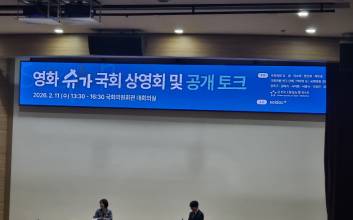
Discussions were held at the National Assembly to shed light on the medical reality experienced by type 1 diabetes patients and their families and to seek ways to improve the system. As patient groups and ruling and opposition lawmakers gathered together to emphasize the issue of access to medical treatment and the need for an education and management system, attention is focusing on whether to make policy in the future. The Korea Type 1 Diabetes Association held a screening and public talk with lawmakers of the ruling and opposition parties at the National Assembly Hall on the 11th. The event was organized to draw up the tasks to improve the patient centered medical system and it was organized by the digital healthcare company called Soldak. The film which was screened on this day, drew sympathy from participants with the story of a family confronting the limitations of the medical system to save their son with type 1 diabetes. “As the pancreatic disorders are officially recognized from July, the voices of actual patients should be reflected first in policy”, said Kim MiYoung, the head of the Korea Type 1 Diabetes Association. “We hope that social interest in medical welfare, and the school issues will be increasing further. Politicians also voiced sympathy for the need to improve the system. “The inclusion of pancreatic disorders in the type of disability that has been maintained for 20 years is the effort of the parties and their families,” said Seo MiHwa, a lawmaker of the Democratic Party of Korea. Seo YoungSeok, a lawmaker of the Democratic Party of Korea, also expressed his willingness to support legislation, saying “Now the state must take care of blind spots in the public sphere”. “We will provide legislative support to improve patients' rights and interests.”Regardless of ruling and opposition parties, the need for an educational environment and daily support has also been raised. Kang KyungSook, a lawmaker of the Cho Kuk Innovation Party, urged improvements in the educational environment, citing administrative burdens suffered by children and their families at school sites. Lee SoHee, a member of the People’s Power, said he would “push forward with the issue of type 1 diabetes as a personal top priority.”Choi BoYoon, a lawmaker of the People’s Power said, “The time that patients and their families have to handle outside the hospital is close to the essence of treatment,” stressing that the medical system should fully contain it. LeeJungHun, a lawmaker of the Democratic Party of Korea, said “We will do politics that saves people’’ that can wipe away the tears of patients who need to be supplied with insulin for the rest of their lives. ChoiHyukJin, an independent lawmaker, said,” The level of happiness in society as a whole increases only when the weak are happy”. In the talk session held after the movie’s screening, the establishment of a professional education and management system was presented as a key task. “Innovative devices such as continuous blood glucose meters(CGM) are changing patient’s lives, but there are insufficient conditions for medical staff to educate and manage them,” said LeeHoIk, CEO of Soldak. “If non face to face treatment based education and reimbursement rates are supported, patients will be able to plan their daily lives instead of fear of complications.”ChungJinWook, a lawmaker of the democratic meeting of Korea, also stressed the need to improve the overall medical system, saying in a video message, “Medical technology has developed, but barriers to the treatment process remain. An official who hosted the event said “ I hope this screening will serve as an opportunity to recognize type 1 diabetes as a disease that society takes care of together, not as an individual struggle. ▶원문 기사: 국회서 울린 1형당뇨 환자들의 호소…“비대면 관리·교육체계 시급” ◆이코노미스트가 글로벌 차세대 경제 리더, 청소년 기자단 영 저널리스트와 함께합니다. 영 저널리스트 기자단은 프리미엄 경제지 이코노미스트, 논술 전문 기관 Ni 에듀케이션과 함께 주요 시사 이슈를 팔로우업하고 직접 기획, 취재, 기사 작성 활동을 하며 사회적 문제를 고심하고 해결 방안을 제시하는 과정을 경험하게 됩니다. 이번 기사는 영 저널리스트 기자단이 이코노미스트 기사를 영문으로 번역하며 이슈를 팔로우업한 기사입니다. 차세대 글로벌 경제 리더, <영 저널리스트 with 이코노미스트> 영문 기사는 매주 연재됩니다.

2026.03.17 12:39

4분 소요
KAIST, Developed an AI that Finds Worldwide Slum Areas…They Got 2026 Best Paper Award in AAAI

산업 일반

Korean researchers developed AI that finds out the slum areas only by satellite photos. It is a technology that automatically adapts in a new city, increasing its accuracy without the need of a person marking the location in advance, and is expected to basically change urban policy planning and public resource allocation in developing countries lacking sufficient data.KAIST announced on the 6th that they made satellite photo based slum-detecting AI technology through combined research with Mee-Young Cha, School of computing professor and professor Ji-Hee Kim in Department of Technology Management and the research team, also with professor Jae-Seok Yang, from Chonnam National University.This research was awarded with the Best Paper Award in ‘AI for Social Impact’ area in ‘The Association for the Advancement of Artificial Intelligence (AAAI) 2026’. It is the greatest fame that only 2 of the 693 research submitted in this area were selected, and it is an achievement that made sure that the Korean research team’s AI technology is on the top of the world not only in technology but in the social value area as well.Until now, there were several studies using satellites to detect slums, the accuracy dropped extremely in new areas due to massive difference of building shapes and density. It was especially difficult for AI training because of the lack of non-automatically marked data of slum locations in lots of developing countries. The research team, in order to address this problem, trained an AI model to learn different area features, and implemented ‘Mixture-of-Experts’ (MoE) structure that automatically selects the best model whenever a new city is inserted.The core of this research is ‘Test-Time Adaptation’ (TTA) technology. Without the need for humans to mark the new slum city in advance, AI reduces the error by itself by comparing and validating various model’s prediction results and trusting the areas that only match together. Like this, it maintained its quality in areas that didn’t have lots of data.After the research team adapted this technology in major cities such as Africa’s Kampala and Maputo, it was proved that the new technology can intricately distinguish slum areas from the old one.This technology is expected to be used in various policy areas such as △ urban infrastructure expansion planning △ early detection of areas weak on disaster · infectious disease △ selection of company to enhance dwelling environment △ UN Sustainable Development Goals (SDG) implementation check, and more.Professor Mee-Young Cha said “This research showed that AI is not only a basic detection tool, but can contribute to solving real social problems even in data-lacking areas.” Professor Ji-Hee Kim revealed that “It will help in effectively distributing limited resources in the most needed area by reducing the cost of the field investigation.”In this research, KAIST School of Computing PhD researcher Lee Soo-Min and KAIST PhD researcher Seong-Won Back participated as Co-first authors, and the research result was presented in AAAI 2026 that opened in Singapore, January 25th.▶원문 기사: KAIST, 전 세계 슬럼가 찾아내는 AI 개발..AAAI 2026 최우수논문상 ◆이코노미스트가 글로벌 차세대 경제 리더, 청소년 기자단 영 저널리스트와 함께합니다. 영 저널리스트 기자단은 프리미엄 경제지 이코노미스트, 논술 전문 기관 Ni 에듀케이션과 함께 주요 시사 이슈를 팔로우업하고 직접 기획, 취재, 기사 작성 활동을 하며 사회적 문제를 고심하고 해결 방안을 제시하는 과정을 경험하게 됩니다. 이번 기사는 영 저널리스트 기자단이 이코노미스트 기사를 영문으로 번역하며 이슈를 팔로우업한 기사입니다. 차세대 글로벌 경제 리더, <영 저널리스트 with 이코노미스트> 영문 기사는 매주 연재됩니다.

2026.03.17 12:34

4분 소요
Cryptocurrencies weaken again amid uncertainty over the Iran war…Bitcoin maintains the $70,000 range.

산업 일반

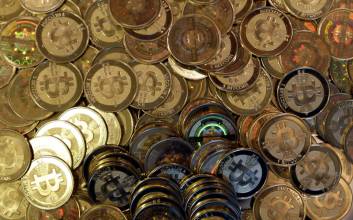
As geopolitical uncertainty surrounding the Iran war continues, the cryptocurrency market is once again showing a weakening trend.As of 8:10 a.m. on the 6th, Bitcoin was trading at 104,394,000 KRW on the cryptocurrency exchange Bithumb, down 1.85% compared to 24 hours earlier.In U.S. doller terms, Bitcoin maintained the $70,000 range, but was trading at around $71,201, which is 2.04% lower than 24 hours earlier.Major altcoins are also declining. Ethereum fell 1.80%, Solana declined 2.17%, and XRP fell 2.04%, as they continued the downward trend.As there are no indications of the Iran war easing in the near term, the U.S. stock market fell overall, while oil prices increased. However, the Nasdaq Composite limited part of its decline thanks to its strong performance in software stocks. According to the cryptocurrency market comparison platform Cryprice, Bitcoin’s Kimchi Premium stood at as -0.72% on this day. A negative Kimchi Premium means that Bitcoin is trading at a lower price in South Korea than in overseas markets.The Crypto Fear & Greed Index, which reflects market sentiment in the cryptocurrency market, recorded 22 points, which indicated a level of ‘extreme fear’. The closer the index is to 0, the more fearful the market is, meaning investors are more likely to engage in heavy selling, and when the index is near 100, it suggests the market is being driven by greed, which increases the likelihood of a price correction.▶원문 기사: 이란 전쟁 불확실성에 가상자산 다시 약세…비트코인 7만달러대 유지 ◆이코노미스트가 글로벌 차세대 경제 리더, 청소년 기자단 영 저널리스트와 함께합니다. 영 저널리스트 기자단은 프리미엄 경제지 이코노미스트, 논술 전문 기관 Ni 에듀케이션과 함께 주요 시사 이슈를 팔로우업하고 직접 기획, 취재, 기사 작성 활동을 하며 사회적 문제를 고심하고 해결 방안을 제시하는 과정을 경험하게 됩니다. 이번 기사는 영 저널리스트 기자단이 이코노미스트 기사를 영문으로 번역하며 이슈를 팔로우업한 기사입니다. 차세대 글로벌 경제 리더, <영 저널리스트 with 이코노미스트> 영문 기사는 매주 연재됩니다.

2026.03.10 13:12

2분 소요
K-Food Also Shaken as the Strait of Hormuz Is Blocked… ‘Red Light’ for Exports to the Middle East.

산업 일반

As the logistics environment in the Middle East rapidly worsens due to the aftermath of military clashes between the United States and Iran, warning signs have appeared for South Korea’s K-food export strategy.In particular, as the Strait of Hormuz—often called the “artery of global logistics”—has been blocked, concerns are growing about rising oil prices and maritime shipping costs. In response, Korean food companies are preparing countermeasures such as changing transportation routes or seeking ways to reduce costs.According to industry sources on the 5th, the international maritime transport environment has become unstable as Iran’s Islamic Revolutionary Guard Corps (IRGC) has begun controlling the Strait of Hormuz. With rising global oil prices and fluctuations in the Korean won–U.S. dollar exchange rate occurring simultaneously, there are concerns that the profitability of Korean food companies’ exports may face greater pressure.Samyang Foods, which has gained global popularity with its Buldak Spicy Noodles, is considering a detour shipping method that passes through the nearby country of Oman instead of the existing sea transport route. A combined logistics approach that integrates sea and land transportation is also being discussed as an alternative.Samyang Foods has previously responded to logistics disruptions in the Middle East. In 2023, when tensions in the Red Sea made passage through the Suez Canal difficult, the company continued exports by using a detour route around the Cape of Good Hope in Africa. A company official expressed concern, saying, “If Middle Eastern shipping routes are halted due to the war’s aftermath, there is a possibility that European routes could also be affected.”Samyang Foods currently exports products to around 10 Middle Eastern countries, including the United Arab Emirates (UAE), and last year its sales in the region amounted to approximately 66 billion won.Other food companies are also preparing countermeasures. Dongwon Group is considering reducing other costs, such as production and distribution expenses, to prepare for rising logistics costs. A company official explained, “There is a possibility that both fuel costs and domestic and international logistics costs could rise simultaneously, making cost management very important.”Daesang is also closely monitoring the situation, believing that if instability in the Middle East continues for a prolonged period, adjustments to its global business strategy may become inevitable. The company stated, “Rising oil prices and logistics costs are somewhat expected trends,” adding that it will determine its response after observing future market conditions.Nongshim and Ottogi, which are pushing to expand in the Middle Eastern market, are also preparing response strategies for different scenarios. Nongshim plans to expand both online and offline marketing this year to target the Middle Eastern market, and recently held a Shin Ramyun snack pop-up event in Riyadh, Saudi Arabia. However, the company explained, “We will flexibly adjust our response strategy depending on variables such as a blockade of the Strait of Hormuz or sharp increases in oil prices.”Ottogi, which is still in the early stages of entering the Middle Eastern market, flexibly review its future export expansion strategy in line with regional conditions.▶원문 기사: 호르무즈 막히자 K푸드도 흔들…중동 수출길 ‘빨간불’ ◆이코노미스트가 글로벌 차세대 경제 리더, 청소년 기자단 영 저널리스트와 함께합니다. 영 저널리스트 기자단은 프리미엄 경제지 이코노미스트, 논술 전문 기관 Ni 에듀케이션과 함께 주요 시사 이슈를 팔로우업하고 직접 기획, 취재, 기사 작성 활동을 하며 사회적 문제를 고심하고 해결 방안을 제시하는 과정을 경험하게 됩니다. 이번 기사는 영 저널리스트 기자단이 이코노미스트 기사를 영문으로 번역하며 이슈를 팔로우업한 기사입니다. 차세대 글로벌 경제 리더, <영 저널리스트 with 이코노미스트> 영문 기사는 매주 연재됩니다.

2026.03.10 13:07

4분 소요
BYD Lowers the Price Barrier… Targets First-Time EV Demand

산업 일반

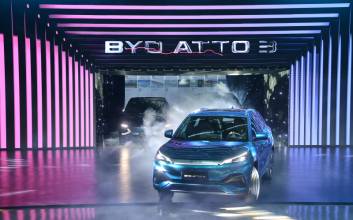
Chinese electric vehicles are increasingly disrupting the Korean market, led by BYD. The company recently launched its fourth electric vehicle model in Korea), the compact hatchback Dolphin, priced in the 20-million-won range, significantly lowering the entry barrier to EV ownership and effectively reigniting a price war in the sector.BYD’s strategy extends beyond a single product release. BYD Korea has set a target of surpassing 10,000 units in annual sales while simultaneously pursuing price reductions, lineup expansion, and the construction of sales and service infrastructure. Industry observers note that BYD is emerging not merely as a low-cost import brand, but as a variable capable of reshaping the structure of Korea’s EV market itself.Challenging the Perception That EVs Are ExpensiveBYD is attempting to overturn the long-held perception that electric vehicles are inherently expensive by centering its sales strategy on value for money.The company’s Korean lineup is organized across multiple price segments. The first model introduced domestically was the compact electric SUV Atto 3, starting at 31.5 million won, placing it in direct competition with entry-level domestic EVs.Its primary rivals include Hyundai Motor’s Kona Electric and Casper Electric, as well as Kia’s Niro EV and EV3. Because these vehicles share similar segments and overlap in effective purchase price after subsidies, they are frequently compared by consumers. Relative to competitors, the Atto 3 is widely considered to have strong price competitiveness.For comparison, the Kona Electric starts in the low-40-million-won range, the Niro EV in the high-40-million-won range, and the EV3 in the high-30-million-won range. Although grouped in the same compact electric SUV category, the Atto 3 maintains a relative pricing advantage.Expanding the Lineup: Sedan and Midsize SUVBYD next introduced the midsize electric sedan Seal, priced from 39.9 million won. After testing market response with a compact SUV, the company broadened its lineup, indicating a recognition that a single segment would limit brand expansion.Major competitors include Hyundai Motor’s Ioniq 6, priced around 50 million won, and Tesla’s Model 3, starting at 41.99 million won. The Seal is therefore positioned at a comparatively lower price point.The subsequent launch of the midsize electric SUV Sea Lion 7, starting at 44.9 million won, effectively completed BYD’s core lineup in Korea. Competing models include Tesla’s Model Y, Hyundai’s Ioniq 5, and Kia’s EV6. Its starting price is lower than the Model Y and Ioniq 5 and similar to the EV6.Aiming for the “10,000-Unit Club”The model expected to drive BYD’s entry into the 10,000-unit sales benchmark is the Dolphin. As brand recognition ultimately depends on visibility and sales volume, a mass-market model is essential.Among BYD vehicles, the Dolphin most aggressively emphasizes price competitiveness. Rather than targeting a niche segment, the compact hatchback focuses on lowering the barrier to EV adoption itself.At its 20-million-won price level, industry analysts expect it to attract first-time EV buyers, urban commuters, second-vehicle purchasers, and downsizing consumers. Achieving the 10,000-unit goal will require generating high transaction volume in mainstream price ranges. Rapid Infrastructure ExpansionBYD is also accelerating infrastructure development. Within one year of entering Korea, the company has established 32 showrooms and 16 service centers. By year’s end, it plans to expand to 35 showrooms and 26 service centers.The strategy aims to build the image of an easily accessible brand nationwide. Service center expansion is also a preemptive response to potential issues commonly faced by new imported EV brands, such as long repair wait times and parts supply delays.Beyond Low Price: Building Service CredibilityBYD emphasizes that infrastructure expansion is not merely quantitative but qualitative. The company provides specialized training in high-voltage systems, battery management, and software updates, while adopting diagnostic equipment and service manuals identical to those used at headquarters. The goal is to ensure consistent service quality nationwide.Customer support will include consultation, test drives, financing guidance, periodic inspections, software updates, accident repairs, warranty extensions, roadside assistance, and used-vehicle value management.Industry analysts interpret the strategy as an effort to establish BYD not simply as a low-priced EV maker, but as a trusted value-oriented brand.An industry official stated, “BYD appears focused on building recognition as a high-value electric vehicle brand rather than a ‘Chinese car’ brand. By significantly lowering the price barrier, it aims to become a leading force driving EV demand in the Korean market.”▶원문 기사: 가격 문턱 낮추는 BYD…첫 전기차 수요 정조준 ① ◆이코노미스트가 글로벌 차세대 경제 리더, 청소년 기자단 영 저널리스트와 함께합니다. 영 저널리스트 기자단은 프리미엄 경제지 이코노미스트, 논술 전문 기관 Ni 에듀케이션과 함께 주요 시사 이슈를 팔로우업하고 직접 기획, 취재, 기사 작성 활동을 하며 사회적 문제를 고심하고 해결 방안을 제시하는 과정을 경험하게 됩니다. 이번 기사는 영 저널리스트 기자단이 이코노미스트 기사를 영문으로 번역하며 이슈를 팔로우업한 기사입니다. 차세대 글로벌 경제 리더, <영 저널리스트 with 이코노미스트> 영문 기사는 매주 연재됩니다.
2026.03.04 08:27

5분 소요
‘Even Deadlier than Covid19’ with a fatality rate of 75%, ‘emergency quarantine’...  ‘soaring’ testing kit・vaccine stocks

산업 일반

As a Nipah virus case with a fatality rate of up to 75% has been reported in India, nearby Asian countries are strengthening the quarantine alert. As it has been noticed that Korea will designate Nipah virus as Class 1 legal communicable disease, related stocks are rising. According to foreign press, it has been confirmed that two healthcare workers have been infected with the Nipah virus in West Bengal, India. Following that, nearby countries like Malaysia, Hong Kong, Singapore, Thailand, and Vietnam are strengthening border quarantine and inspection. Nipah virus is a zoonotic disease originating from bats and can infect both humans and animals. It was first found in 1988 at a pig farm, so it is named after the region where it was found. The known infection routes are: direct contact with infected bat or pig, consumption of contaminated date palm sap from bodily fluid of bats, and close touch with patients. The incubation period ranges from 4 days to up to 3 weeks, after the primary symptoms like fever, headache, or muscle pain, it could be deteriorated as neurological symptoms or encephalitis. There is no confirmed treatment or vaccine until now. However, the foreign press assessed that although the Nipah virus is highly fatal, the spread between humans is limited, so it has low opportunity to become a large-scale pandemic like Covid19. They analyzed that besides the region that primary infection takes place in, the danger of general public infection is relatively low. In Korea, Nipah virus is going to be designated as a class 1 legal communicable disease. Korea Disease Control and Prevention Agency has approved the agenda to designate Nipah virus as a class 1 legal communicable disease, after deliberation in the disease control and prevention committee. After the discussion with related agencies, this will be applied from the upcoming July. In response to the news, stocks related to testing kits and vaccines surged. According to Korea Exchange, stocks like Sugentech, GeneOne Life Science, LabGenomics, GeneMatrix, Seegen, and Access Bio were recently getting popular, even some of them recorded to reach the upper price limit. However, volatility seems to be increasing as profit-taking sales emerges, because of the short-term surge. The market expects the symptoms of re-spread of Covid19 starting from China and Hong Kong and the designation of Nipah virus as class 1 legal communicable disease have stimulated the investment sentiment. ▶원문 기사: '코로나보다 강력' 치사율 75% '방역 비상'…진단키트·백신株 '들썩' ◆이코노미스트가 글로벌 차세대 경제 리더, 청소년 기자단 영 저널리스트와 함께합니다. 영 저널리스트 기자단은 프리미엄 경제지 이코노미스트, 논술 전문 기관 Ni 에듀케이션과 함께 주요 시사 이슈를 팔로우업하고 직접 기획, 취재, 기사 작성 활동을 하며 사회적 문제를 고심하고 해결 방안을 제시하는 과정을 경험하게 됩니다. 이번 기사는 영 저널리스트 기자단이 이코노미스트 기사를 영문으로 번역하며 이슈를 팔로우업한 기사입니다. 차세대 글로벌 경제 리더, <영 저널리스트 with 이코노미스트> 영문 기사는 매주 연재됩니다.
2026.03.04 08:17

3분 소요
“Health Trend Shakes Soda Sales”… Coca-Cola Records First Earnings Shock in Five Years

산업 일반

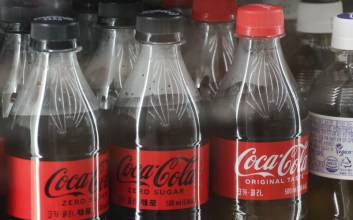
Coca Cola had announced their quarterly results, which did not meet the expectations due to the spread of health trend, and the weakened customer consumption. While the demand for sweetened drinks had decreased, the sugar - free products had fastly grown, showing the change of customer spending patterns, clearly.Coca cola had announced on the 11th(local time), that fourth quarter - sales last year had increased by 2% compared to the same period a year before, reaching 11.82 billion dollarsSales have continued to increase, but the results had not achieved the market expectations. This result, that Coca cola hasn’t met the market expectation, was a first miss in about 5 years.The main reason for the weak sales is because of the decline in carbonated drinks’ demand. During the same time, total growth of sales had increased by 1%, and carbonated drink consumptions had shown overall weakness in major markets in North America, Europe, and Asia.Health policies and regulatory movements of the United States have also become a burden. Some states had begun to limit the purchase of carbonated drinks in food supporting programmes for low - income families, and concern over the health effects of sugar and corn syrup is growing. Mexico has also raised its sugar tax, strengthening the limitations of the consumptions.Analysis shows that spread of weight-loss drugs, inflation, tariffs, and other economic issues, have shrunk the traditional consumers of carbonated drinks. Coca Cola has introduced small sized products with lower prices, but this product also couldn’t increase the annual sales.However, drinks like zero sugar carbonated drinks, water, sports drinks, coffee, tea, have shown growth. In particular, Coca Cola zero has shown double - digit growth, showing that customers are more interested in products with a strong health image.In the market, this result of Coca Cola is seen as a change of customer consumption trend. Along with the strong health awareness, there are expectations that the competition of global drink market could be changed rapidly.▶원문 기사: "건강 바람에 탄산 흔들"…코카콜라, 5년 만에 실적 쇼크 ◆이코노미스트가 글로벌 차세대 경제 리더, 청소년 기자단 영 저널리스트와 함께합니다. 영 저널리스트 기자단은 프리미엄 경제지 이코노미스트, 논술 전문 기관 Ni 에듀케이션과 함께 주요 시사 이슈를 팔로우업하고 직접 기획, 취재, 기사 작성 활동을 하며 사회적 문제를 고심하고 해결 방안을 제시하는 과정을 경험하게 됩니다. 이번 기사는 영 저널리스트 기자단이 이코노미스트 기사를 영문으로 번역하며 이슈를 팔로우업한 기사입니다. 차세대 글로벌 경제 리더, <영 저널리스트 with 이코노미스트> 영문 기사는 매주 연재됩니다.

2026.02.23 18:32

3분 소요
Médecins Sans Frontières (MSF), the Ethiopian southwestern states start ‘New Emergency Project’

산업 일반

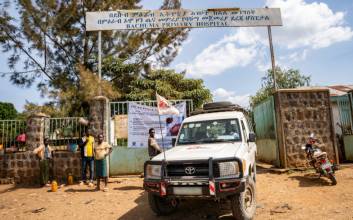
In the Ethiopian southwestern state, the international humanitarian medical aid organization, Médecins Sans Frontières (MSF), has proposed a new emergency health project to ensure reliable emergency response as a consequence of several contagious diseases. A new emergency health project was started last year after identifying the lack of medical demand. In the Ethiopian southwestern state, more than 3 million people reside with frequent occurrences of malaria, measles, and cholera. Although main cities like Mizan in southwestern states are famous for forest, standing water often leads to increase in mosquito population and malaria. In addition to environmental factors, vulnerable medical accessibility enables regional society to be in health danger. With this project, MSF aims to establish proficient medical capacity and improve accessibility to free medical care by strengthening prevention of contagious diseases.Currently, MSF supports Jemu, Aday Ababa healthcare center, and Bachuma hospital. All actions will be cooperated with the government, also contributing to permanent improvement in resilience of all medical systems. Main actions include: establishing an IPC committee for regular coordination meetings, providing hygienic products and personal protective products, and improving the water supply environment with an installation of a system based on solar power. In Bachuman hospital, six isolation wards were prepared to safely manage infections. To improve emergency health care capabilities, essential medicines, medical supplies, and biomedical equipment are provided free of charge. Increase in workers of the Ministry of Health, regular accumulation of health data, and improvement in regional hygiene will be carried out simultaneously. Sayeed Aleem, Ethiopian MSF emergency coordinator said that “With the new project, MSF aims to reinforce reliable medical actions by solving limited accessibility of medical care and repeated health crises. We will also coordinate with the government to strengthen medical response.”▶원문 기사: 국경없는의사회, 에티오피아 남서부 주 신규 ‘긴급 보건 프로젝트’ 개시 ◆이코노미스트가 글로벌 차세대 경제 리더, 청소년 기자단 영 저널리스트와 함께합니다. 영 저널리스트 기자단은 프리미엄 경제지 이코노미스트, 논술 전문 기관 Ni 에듀케이션과 함께 주요 시사 이슈를 팔로우업하고 직접 기획, 취재, 기사 작성 활동을 하며 사회적 문제를 고심하고 해결 방안을 제시하는 과정을 경험하게 됩니다. 이번 기사는 영 저널리스트 기자단이 이코노미스트 기사를 영문으로 번역하며 이슈를 팔로우업한 기사입니다. 차세대 글로벌 경제 리더, <영 저널리스트 with 이코노미스트> 영문 기사는 매주 연재됩니다.
2026.02.23 18:28

2분 소요
The Evolving Technology of Gene Editing: Is It Really a Savior of Humanity?

산업 일반

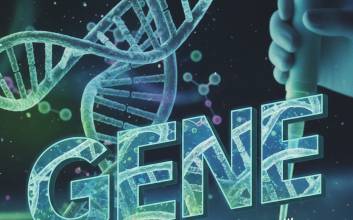
◆이코노미스트가 글로벌 차세대 경제 리더, 청소년 기자단 영 저널리스트와 함께합니다. 영 저널리스트 기자단은 프리미엄 경제지 이코노미스트, 논술 전문 기관 Ni 에듀케이션과 함께 주요 시사 이슈를 팔로우업하고 직접 기획, 취재, 기사 작성 활동을 하며 사회적 문제를 고심하고 해결 방안을 제시하는 과정을 경험하게 됩니다. 이번 기사는 영 저널리스트 기자단이 현 사회현상에 대해 학생들 시선에서 ‘왜’라는 질문을 갖고 직접 취재해 작성한 기획기사입니다. 영 저널리스트 기자단의 기획기사는 영문과 국문, 두 형태로 게재합니다. Imagine you could cure a terminal disease by just cutting a sequence of DNA. As science and technology are significantly developing these days, there are new medical technologies that have been created that enable the treatment of incurable diseases. One of the most prominent technologies is gene editing technology. The Gene Editing Technology That Cured Rare Disease: ‘CRISPR’The most widely used gene editing technology is CRISPR(Clustered Regularly Interspaced Short Palindromic Repeats). It grabbed attention as American researchers saved the life of a baby who was born with a rare inherited disease. CRISPR technology even got the Nobel Prize as a ‘technology of genetic scissors’ that can cut out the problematic gene. CRISPR is a technology that detects the desired part of the gene and cuts, fixes, and changes it. Guide RNA (Ribonucleic acid) plays an important role by indicating where the technology should act. When Guide RNA matches with a certain DNA, Cas9(CRISPR Associated protein 9) cuts it. When the DNA is cut, the cells repair the damaged DNA. There are two ways to repair the DNA. Once the cut has been made, the cell uses two ways to recover. One way is called non-homologous end joining, which trims both ends of the gene and rejoins them. In the process, small sequences can be inserted or lost, so the DNA might lose its function. The other way is called homology directed repair, which adds desired sequence of DNA to replace the cut DNA. However, this is not suitable for gene editing because it doesn’t work for the cells that do not split and has low efficiency of editing. The process of DNA repair allows the gene to be eliminated, changed, or added so that a certain role of the gene can go obsolete or a new role can be applied. This can change or eliminate a problematic gene, so it is highlighted for the potential of it to suggest a new branch in inherited disease curation, and cancer treatment research. The first case of real usage of CRISPR was treating severe CPS deficiency of a 10-month-old infant called KJ. Severe CPS deficiency is a disease that can damage various important organs due to accumulated Ammonia. It can be cured by liver transplantation, but KJ was born with this illness, he got the gene edited for faster treatment. After 6 months of research, the medical staff came up with base editing, which is based on CRISPR and edits only the base sequence of the DNA. KJ received the treatment 3 times over February, March, and April. He remained healthy after the treatment but he needs long-term monitoring. More observations and research are needed for commercialization of gene editing but in the case of KJ, we discovered that CRISPR can successfully cure crucial diseases. How Should We Deal With Ethical ProblemsGene editing can enable restoring of genetic diversity of endangered animals, and developing new efficient treatments for various diseases such as cancer and genetic diseases. However, it also brings large and drastic change to nature and humanity, so many ethical problems can follow. To maximize the effect of gene editing for treating diseasesgenes would need to be edited at the embryonic stage. The problem is that we cannot ignore the possibility of errors in the process of editing the gene and recovering the cut gene. Even more, if the gene is problematic, the gene will pass on to the next generation, the problems caused by gene editing are irreversible. In the situation that it is not able to prove the safety, experts say it is immoral to edit the gene of embryos even with the prospective parents. Even if it is safe to edit the gene of embryos, it will cause even severe social problems. The rich will be able to choose the best gene of them and give it to their offspring, so the offspring can have the best appearance and intelligence possible. However, most of the people, who are financially not enough to afford the technology, will not even get the chance to choose the technology or not. Therefore, a specific group of people will overwhelm the others as they are born, and that will overturn the common belief that humans are born equally. The Need for Precise and Proper Regulation and AgreementsClear regulation and international agreement are needed to use gene editing technology safely and ideally. International conferences with scientists, ethicists, and other experts would be strongly helpful for the most executable, sustainable, and ideal guidelines. It is not simple to make the absolute rule that everyone agrees and sustain it. Nevertheless, ethics are the social norm that keeps human being true human, so it is important to apply them to science in order to keep the peace and handle the technologies in the fast-developing modern era. It is obvious that gene editing technology will bring humanity massive benefits. We just need countermeasures for the ethical conflicts it can cause and for the countermeasures, we need choice and focus to give up on the parts that are unethical and difficult to execute. I am looking forward to the great development in the medical system that correct usage of gene editing technology will bring.

2026.02.11 09:59

5분 소요